


Fleas are some of the smallest insects that exist. But don’t be too quick to brush them off. They are also some of the worst pests that you could come in contact with. And if you don’t want to suffer from their presence, you got to know how to kill them.
In this post though, we’d help you not just how to kill fleas but also how to prevent their return.
But before that, let’s get to know first some important things about those pesky insects.
Basic Flea Information
Appearance
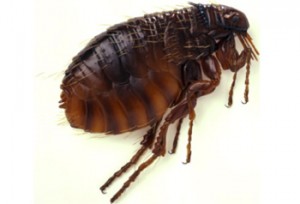
Fleas are tiny insects that are about 1/16 to 1/8-inch or1.5 to 3.3 mm long. They are wingless but with six legs. Two of those legs, the hind pair, were well-adapted for jumping. In fact, next only to froghopper, flea is the best jumper of all the animals.
Diet
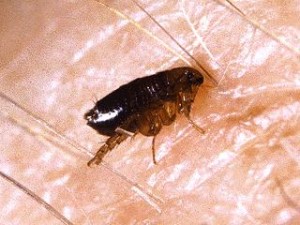
Like bed bugs fleas feed on blood. However, in ideal conditions, they could live two, even three, years in without feeding. But feeding is not just important to their survival. It’s also essential to their reproduction. Females of them coming out of the pupal stage need to feed first before becoming capable of reproducing.
Habitat
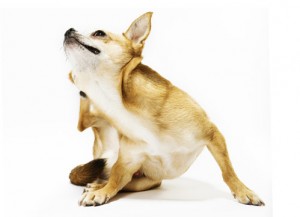
Fleas can make any warm-blooded animal their host. However, they seem to prefer to make a home in humans, cats, dogs, rats and other rodents. They could also be present in other spots in the house as cracks and crevices, bedding and areas where their hosts usually sleeps and rests.
Health Impact
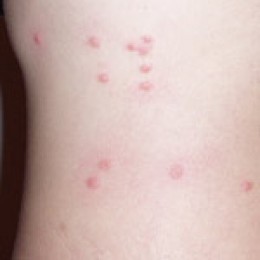
Bed bugs are annoying but they don’t transmit diseases. Fleas are different. While being annoying, they could also transmit illnesses.
The direct bites of those insects could result to the formation of swollen red spots with a puncture point at the center. Those spots could inflame and itch for weeks due to the allergic reactions that the flea saliva could cause.
Apart from their bites, fleas, as vectors, could also bring endemic typhus via infected rats and tapeworm. They are also known to cause Bubonic Plague.
Flea Control
With their bites and all the illnesses that they could possibly bring, you have more than enough reason to get rid of fleas. But how do you do it? What steps must be included in your flea control program?
To avoid the same problem from plaguing your house, your flea control resolution must include a process not just how to kill fleas but also how to prevent their return. If you stop after your elimination of them, you expose yourself and your family from the same health risks that you intend to prevent. And that’s because those fleas that you killed could have laid eggs in places you never treated. Moreover, your pet could also bring them back to your place.
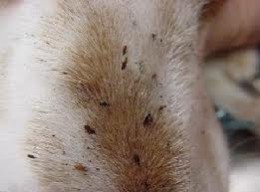
For a complete control process that would eradicate fleas and prevent their return, there are four general steps that you have to take. They are the: preparing of the infested or likely infested areas for treatment, application of flea solution, getting rid of fleas in pets and continuous inspection and elimination.
Step 1. Prepare Infested and Likely Infested Areas for Treatment
In this step, you would have to remove the clutter in areas you or your pets usually sleep or rest. Definitely, that includes your bedroom and the living room. If there are other areas in your house that you frequent, those must be prepared as well.
Your preparation must include inspection. So while removing the clutter, check for fleas. One telltale sign of their presence that you must be on the lookout for are their feces. They are small dark specks that turn red when put in a moistened tissue.
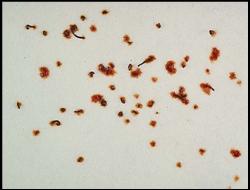
Besides cleaning up the clutter, you must also vacuum those areas. Vacuuming will get rid of the eggs, larvae and even those feces of the pests. Linens and sheets must be washed and dried in high temperature. Carpets must also be steamed clean for good measure.
Step 2. Apply of Flea Solution
When the areas are all set, you could start the actual elimination of the fleas. Apply the solution directly on the spot of the infestation. But before you do that, make sure you read the instructions of how to use the product. You must also see to it that your pet or pets are not within the vicinity.
Step 3. Get Rid of the Fleas in Your Pets
Pets are the usual carriers of fleas. And so, if you don’t clear the pests from them, you would be dealing with the same flea problem time and again.

Here are the flea control steps for your pets.
- Consult a veterinarian for the best way to protect your pet from fleas
- When using any spot-on spray or tablet, make sure to read the instructions and restrictions before giving it to your pet.
- Keep the package even after the treatment. It would help you in case adverse effects occur.
- Consider keeping your pet or pets indoors.
- If ever that it really needs to be outdoors once in a while, as in the case of a dog, then, be sure to also treat the areas they frequent.
Step 4. Continue Inspecting for Fleas and Eliminating Them
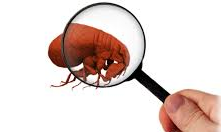
As mentioned earlier, fleas are small and could hide in tiny cracks and crevices. That means during your treatment, it is possible that you could have missed some of them or their larvae and eggs. Apart from that, your pet could also pick them up somewhere and bring them home again.
Make sure that the flea infestation won’t repeat by regularly inspecting your place for their presence. Don’t miss checking every likely spot that they would invade. Also, it’s best that you have a flea spray prepared. With that, you could promptly do a flea control treatment and prevent a major infestation.
Which flea spray should you get though?
Well, considering that it’s effective as well as safe, why not just get Flea Bully?
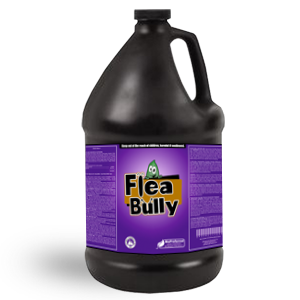
Pest-control companies and hotels have proven that it effectively works. Not only that, EPA has classified it as pesticide exempt under FIFRA 25(b). With that and the fact that it contains no harmful chemical ingredients, you could rest assured it won’t risk your health or that of your family or pet while eliminating those pesky insects.
Be Ready to Fight Fleas Safely and Effectively.


