


For a few days last week, the panhandle of Florida endured heavy rains. And because of it, the area was flooded.
The heavy downpours pummeled the panhandle Wednesday throughout Saturday. As a result, the roads swamped were closed. In Vernon on Thursday, the rise of water in a dozen buildings also forced the moving of an emergency shelter from Vernon High School to Chipley.

Due to excessive raining, a dike also broke in Walton County. The incident caused the US Coast Guard to close the four-mile section of the Intracoastal Waterway located between Choctawatchee Bay and West Bay. Particularly, the section shut was from mile marker 262 up to 266.
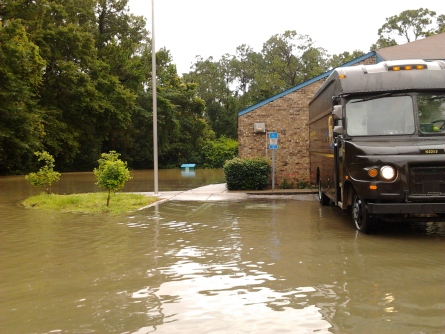
Additionally, the celebration for the fourth of July was also re-scheduled due to heavy rains. And as forecasters said that more of the downpour was coming, much of Pensacola area was also put under flash flood warning until July 9.
Read more about Heavy Rains Caused Florida Panhandle Flooding
“South Florida is used to heavy rain during the rainy season, but the amount of rain residents in the panhandle of Florida are seeing is almost unprecedented for a non-tropical system.
The heavy rain has flooded roads and nearly a dozen buildings in the Florida Panhandle and the downpours were showing no signs of letting up anytime soon.”
Read more about Panhandle of Florida Floods Due to Heavy Downpours at: cbslocal.com
Given the details of Florida’s panhandle’s flooding, it’s pretty clear that the rise of water caused the residents several problems. However, with floods, the predicaments don’t just end after the water recedes. With that said, the people affected in the reported incident should be ready for more troubles to deal with.
If you are among the panhandle residents or someone experiencing similar circumstance, specifically, mold is one of those things that you must be very cautious with post-flooding. Because moisture triggers its growth, rain and flood could surely prompt its appearance. And if you don’t notice its presence early, it could definitely damage your property besides putting your health at risk.
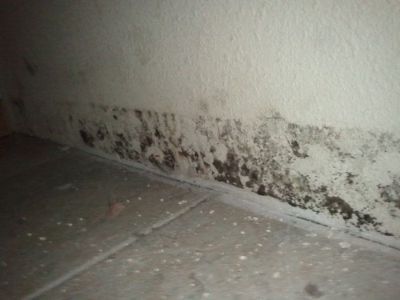
The reason why mold is a usual problem after flooding is the fact that it grows within 24-48 hours in soaked surfaces and items. And usually, during floods, that time isn’t enough to get everything dried.
Mold Presence and Its Effects
When mold sprouts, it then makes the thing it grows on look unsightly. If it is organic, it could also consume all of it feeding on its nutrients.
Additionally, mold presence could cause you and your family asthma and allergies. A certain type of it called black mold or Stachybotrys chartarum could even cause nose and lung bleeding.
But despite the fact that mold presence is inevitable in houses as its spores are almost everywhere, a wide infestation of it could be prevented. That, in return, helps protect your health and properties from its negative effects. To do that though, you would need to do a lot of work. And that work basically starts with detecting the mold’s presence early on.
1. Early Mold Detection
If you detect mold early, you spare yourself from a lot of work and expenses. Simply, that’s because the smaller the infestation is, the little work you need to do to clear it. Moreover, if you discover the infestation while it’s still 10 square feet and less, you could do the mold removal by yourself. That avoids the costly professional mold treatment that is required by an infestation of more than the determined area.
But how do you detect mold early?
When you just went through a flood, it’s given that you need to implement a mold inspection right after the water ebbs and even days after that. Same thing applies if there is a leak in your house.
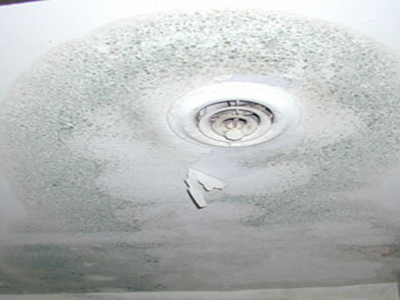
Though mold could grow basically anywhere and on almost any material, you would most likely see it in organic items and surfaces. As mentioned, that’s because those things provide it nutrients to consume. Particularly, you should look for its spores in ceilings and walls exposed to moisture and areas under or around plumbing. You could use the moldy odor that the spores emit to pinpoint the infestation’s exact location.
2. Fix the Source of Moisture
Say it wasn’t a flood that brought you the mold infestation, you got to find the source of the moisture that caused it and promptly fix it. To do so would save you from re-infestation after your first mold treatment.
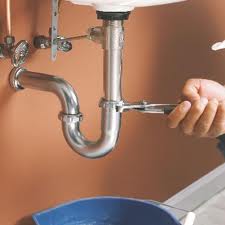
Leaks usually occur in the basement, attic, the kitchen and the bathroom. Hence, your inspection must start in them. And once you find the source of the moist, cover, seal or repair it immediately.
3. Do the Mold Remediation
After the leak is taken cared of, follow it right away with your mold removal process. A day you waste before implementing a mold treatment is a day of a chance for the infestation to spread and cause your more problems.
How do you do the mold remediation though?
Well, generally, there are two methods of mold removal – hiring a professional and DIY.
With hiring a professional, you don’t need to do anything but you got to spend big. Just one mold treatment could approximately cost you $1000. In addition to that, many mold companies today use harsh chemicals in their treatment. And needless to say, their process could leave residues that could endanger your family’s health.
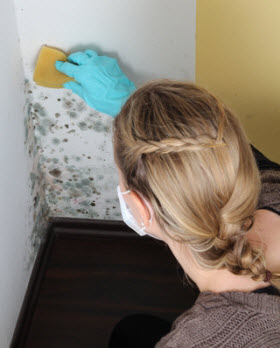
Meanwhile, though you would have to do all the work in DIY, it will save you from a big expense. Besides, if you get the right products, the whole process could be just easily completed and it could deliver similar results with professional mold treatment. Remember though, you could go for this method only if the infestation is less than 10 square feet.
But say that your mold problem has not gone too wide yet and is still within that 10 square feet limit. Which of the many mold removal products should you get?
Why Molderizer and Safe Shield?
Considering that mold treatment doesn’t just end with the clearing of the spores but goes up to the prevention of the re-infestation, Molderizer and Safe Shield are the two best products that you should get.

With their advanced formulations, they can offer you truly effective mold removal and mold protection as already proven by several home owners, hospitals and even mold exterminators.
Molderizer is the one that kills the mold. It could do so very quickly from the roots to the tips of the spores. And given that it changes the DNA make-up of them, it also prevents their re-growth.
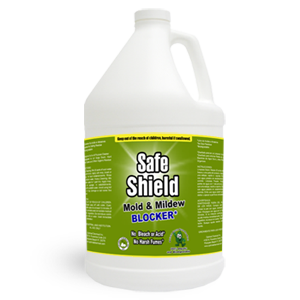
Safe Shield, on the other hand, is the product that provides the mold protection to the surface or item. Its formulation enables it to provide a barrier that repels spores from settling and growing to anything treated by Molderizer.
That’s not all. As a bonus, those two products also make the whole mold remediation process safe because they are made with organic ingredients. So, you don’t to concern yourself with their possible negative effects as their eco and health friendly.


